
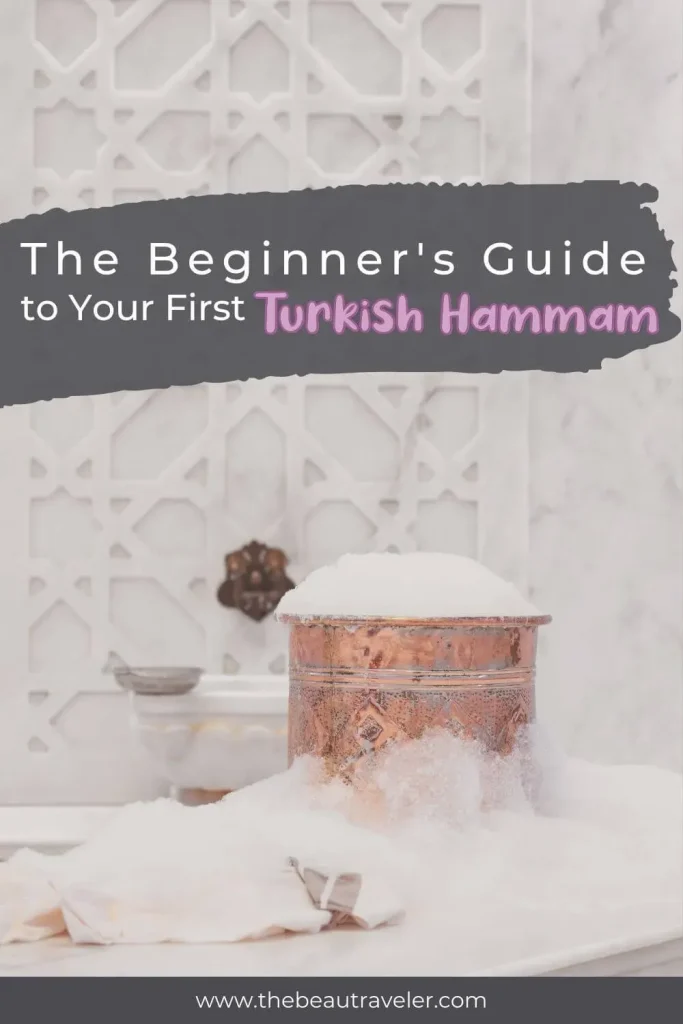
Turkish Hammam Guide opens the door to a centuries-old tradition where cleansing, community, and calm converge, inviting curious travelers to slow down and listen to their surroundings. As you explore, the language of the hammam reveals a cultural heritage built on hospitality and shared space, with quiet corners, soft lighting, and the lingering warmth of marble. The journey mirrors hammam rituals that travelers participate in with respect, from cleansing to a gentle massage, while attendants offer guidance and careful attention in a calm, respectful atmosphere. The steam bath relaxation that follows the ritual can feel like a moving meditation, inviting balance after cleansing, helping to ease tension, and leaving skin refreshed under the soft glow of traditional lighting. By weaving history, architecture, and personal care, this introductory guide invites you to approach the experience with curiosity and mindfulness, choosing spaces that honor safety, hygiene, and respectful participation.
Beyond the spa label, this guide invites you to encounter the Turkish bath tradition as a public heritage and a sensory ritual. Think of it as an Ottoman-era bathhouse experience where heat, stone walls, and convivial conversation shape a holistic wellness practice. From marble corridors to intimate steam rooms, the experience blends cleansing, social connection, and mindful pause—an enduring facet of Istanbul and other historic cities. So while you may come for a steam soak, you leave with cultural insight, textured by architecture, etiquette, and the soothing cadence of a long-standing bathhouse tradition. In short, the journey to a traditional Turkish bath is a doorway into a living culture where care, ritual, and community meet.
Turkish Hammam Guide: Origins and History
The hammam’s origins trace to Roman bathhouses and Persian bathing traditions, a history that migrates through centuries into the Islamic world and the Ottoman realm. This Turkish bath history is not merely about cleansing; it is about social ritual, architecture, and community life that evolved into the distinctive Turkish hammam you can still experience today. In the broader tradition of the traditional Turkish bath, these spaces became symbols of hospitality and refinement across cities like Istanbul, Bursa, and Izmir.
During the Ottoman era, hammams were built as architectural and cultural landmarks—domed ceilings, marble walls, and intricate tilework framed the ritual of heat and water. The Turkish hammam functioned as a living museum of craft, where bath attendants performed kese exfoliations and foam washes as acts of care. Recognizing this Turkish bath history helps visitors appreciate that a visit is stepping into centuries of social custom rather than a simple spa appointment.
Today, modern hammams balance heritage with comfort, preserving public spaces and private sections while inviting travelers to connect with a tradition rooted in Turkish hammam identity. Understanding the history of the hammam allows readers to approach a traditional Turkish bath with respect for its spirit and stories that shaped a nation’s wellness culture.
Architectural Design and Social Fabric of the Hammam
A classic hammam’s architecture is designed to engage body and senses: a sequence of warm and hotter rooms, domed ceilings, and marble textures that radiate heat and humidity. This physical design supports steam bath relaxation, guiding guests through a sensory journey that embodies the essence of the traditional Turkish bath.
Socially, the hammam is a public or semi-public space where neighbors meet, families gather, and travelers share a moment of quiet togetherness. Even as many sites offer gender-segregated hours or private sections, the ritual remains a communal act—an enduring thread in the Turkish hammam tradition that thrives on hospitality, conversation, and calm.
Architectural and social design thus create more than cleanliness; they foster a ritual atmosphere where visitors learn patience, etiquette, and respect. In many places, modern hammams retain domed spaces and stone warmth while adding private suites, ensuring inclusivity for every guest, while preserving the feel of the traditional Turkish bath.
Rituals of the Hammam: From Cleansing to Relaxation
The hammam ritual unfolds like a choreography of care: preparation, cleansing, exfoliation, foaming, massage, and a restful rinse. The sequence is designed to nurture both body and mind, turning cleansing into a mindful practice and giving the session its own meditative rhythm.
Preparation often starts with a light rinse to acclimate to the heat, followed by time in a warm room where the skin begins to loosen impurities. A kese exfoliation uses a rough glove to stimulate circulation and remove dead skin—a signature element of the hammam rituals that leaves skin feeling renewed.
Foaming washes, massages, and the final rinse complete the cycle, after which guests rest in a cooler space to rehydrate and reflect. The whole process illustrates why many describe the Turkish Hammam ritual as more than cleaning: it is a moving meditation powered by heat, humidity, and touch, offering steam bath relaxation long after stepping out.
Wellness Benefits of Steam Bath Relaxation and Traditional Rituals
Beyond ritual pleasure, the steam bath relaxation of the hammam is associated with tangible health benefits: improved circulation, softened skin, and a gentle detox through sustained heat.
Regular exposure to steam and massage is said to ease muscle tension, reduce stress, and support a sense of mental calm. The combination of cleansing rituals and quiet time can translate into clearer skin and a renewed sense of vitality.
As a modern wellness experience, the traditional Turkish bath offers a holistic approach: physical cleansing, social connection, and mindful rest that travelers often seek for balanced wellbeing.
Choosing Your Traditional Turkish Bath: Practical Tips for First-Timers (Turkish Hammam Guide)
Begin with a plan: identify if you want a public experience or a private suite, which neighborhoods offer historic hammams versus modern spa settings, and read reviews noting the quality of the kese and the attentiveness of staff.
Pack or purchase essentials: a clean towel, flip-flops, moisturizer, and a refillable water bottle; ask staff about the dress code and etiquette so you can participate respectfully. Tip attendants who perform the kese, foam wash, or massage to acknowledge good service.
Finally, approach the visit with cultural sensitivity: observe the pace, honor personal boundaries, and let the rituals unfold. The Turkish Hammam Guide encourages mindful participation, helping you enjoy steam bath relaxation while honoring a centuries-old tradition.
Frequently Asked Questions
What is the Turkish Hammam Guide, and how does it explain Turkish bath history and hammam rituals within a traditional Turkish bath?
The Turkish Hammam Guide is a curated resource that blends history, ritual, and practical tips for visiting traditional Turkish baths. It traces Turkish bath history from ancient roots through Ottoman grandeur and outlines hammam rituals from cleansing and exfoliation to foam washing, massage, and a final rinse. It helps readers understand what to expect in a traditional Turkish bath and how to participate respectfully within the cultural setting.
According to the Turkish Hammam Guide, what should first-time visitors know about hammam rituals and steam bath relaxation when experiencing a traditional Turkish bath?
First-time visitors should note the sequence of hammam rituals and how steam bath relaxation unfolds through progressively hotter rooms. Hydration, modest dress or towels, and asking staff about etiquette are encouraged to ensure a comfortable experience. The guide also recommends choosing session length and communicating preferences with attendants to balance relaxation with ritual participation in a traditional Turkish bath.
How does the Turkish Hammam Guide help travelers choose between historic halls, boutique hammams, or public baths to experience a traditional Turkish bath?
The Turkish Hammam Guide explains that you can select from historic halls, boutique hammams, or public baths, all offering a traditional Turkish bath experience with varying privacy and amenities. It emphasizes finding facilities with good safety, hygiene, and trained attendants to preserve the authentic ritual of the traditional Turkish bath. Regardless of type, the core sequence of cleansing, exfoliation, foam wash, massage, and rest remains consistent.
What health benefits and relaxation does the Turkish Hammam Guide associate with a Turkish bath experience, including steam bath relaxation and ritual elements?
The guide notes health benefits such as improved circulation, skin renewal, and mental relaxation, with steam bath relaxation central to the experience. Regular warmth and cleansing rituals can ease muscle tension and promote a sense of calm. While benefits vary, the Turkish Hammam Guide frames the hammam as a holistic ritual rather than a simple cleansing session.
What practical planning tips does the Turkish Hammam Guide offer for planning a respectful visit to a traditional Turkish bath, including etiquette, preparation, and tips for a calm hammam ritual?
The Turkish Hammam Guide offers practical planning tips such as checking gender policies, bringing a towel, staying hydrated, and understanding tipping norms. It advises arriving with realistic expectations for a slow, sensory experience and asking staff about etiquette to participate respectfully. Following these tips helps visitors engage fully with the ritual while honoring local customs in a traditional Turkish bath.
| Aspect | Key Points |
|---|---|
| Overview | A guide that explores history, rituals, relaxation, and practical tips for visitors seeking to understand and enjoy a traditional Turkish bath experience. |
| History of Hammam | Roots in Roman baths and Persian bathing; Ottoman evolution; symbols of hospitality and refinement. |
| Architecture and Social Design | Warm marble spaces with domed ceilings; heat and steam; public/social spaces with private sections or gender-based hours. |
| Rituals and Comfort | Cleansing, exfoliation with kese, foam wash, massage, rinse; a mindful, relaxing sequence. |
| Health Benefits | Improved circulation, skin renewal, mental relaxation; detoxification and muscle relief; restorative aftercare. |
| Types of Hammams | Traditional, boutique, public, and resort-style hammams; all emphasize cleanliness, calm, and ritual rhythm. |
| Practical Tips for First-Timers | Research rules (gender separation), hydrate, dress etiquette, bring essentials, tip attendants, plan off-peak times, consider health concerns. |
| Cultural Etiquette and Respect | Hammam as sacred/social space; observe pace, personal boundaries, and local customs. |
| Planning Your Visit and What to Expect | Expect a slow, sensory experience; leave lighter, with softer skin; connect with history and culture. |
| Personal Experience and How to Select | Choose based on safety, hygiene, trained attendants, and comfort level; consider private vs shared spaces; core sequence remains consistent. |
Summary
Turkish Hammam Guide invites readers into a centuries-old tradition where cleansing, community, and calm converge. From its Roman and Persian roots to its Ottoman grandeur, the hammam is more than a bath – it’s a living cultural ritual that engages architecture, social spaces, and mindful relaxation. This guide outlines what to expect, how to prepare, and how to participate with respect, helping travelers and curious readers alike approach the Turkish bath with confidence and appreciation. Embracing the Turkish Hammam Guide experience means stepping into marble-warmed rooms where heat, water, and attentive attendants invite renewal of body and spirit.